66 International Organizations the U.S. Exited Under Trump
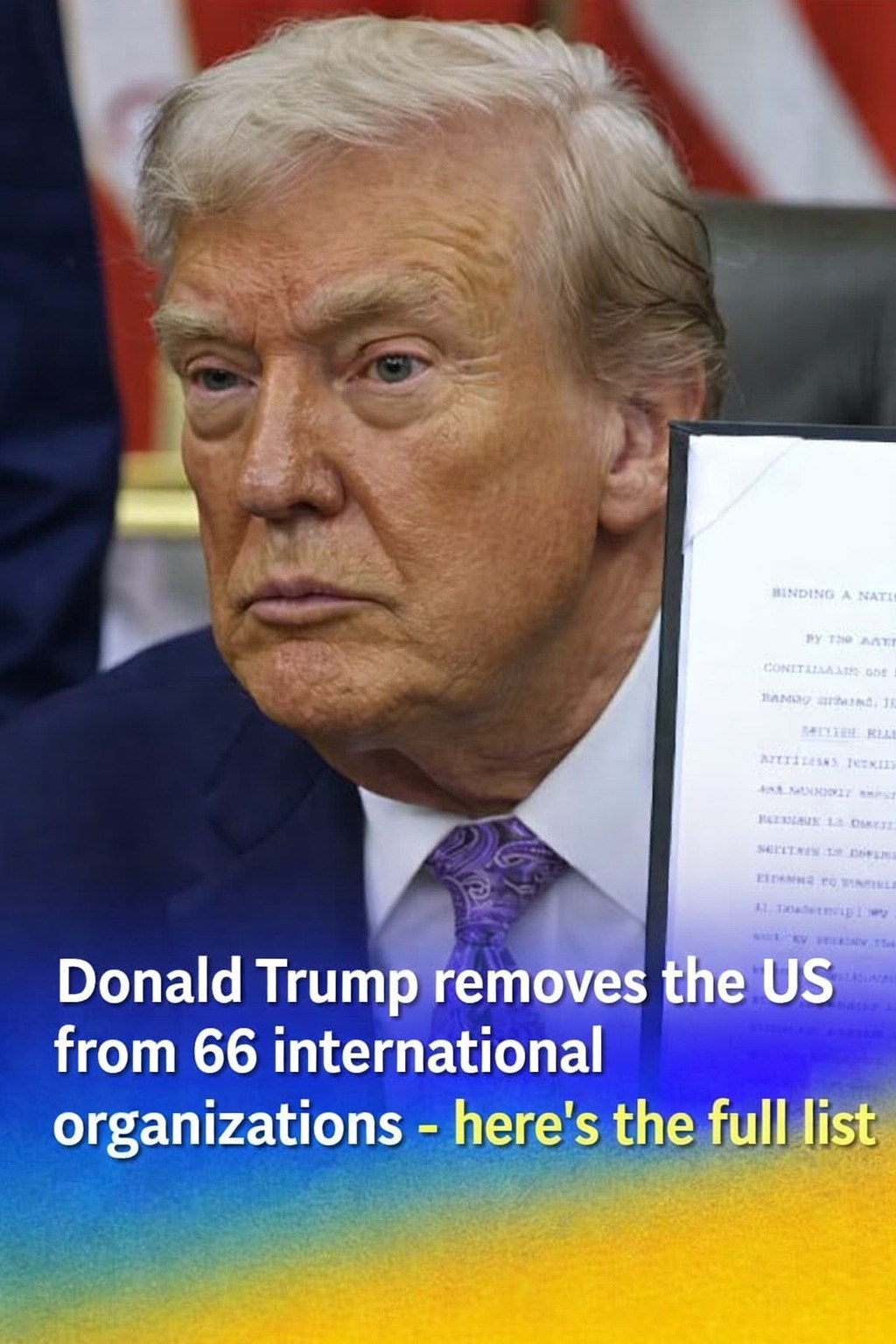
The United States is undertaking a significant reduction in its global institutional engagement. President Donald Trump has announced a sweeping withdrawal from dozens of international bodies, marking a decisive shift toward an “America First” foreign policy.
A White House directive details plans to cut ties with 35 non-UN organizations and 31 United Nations-affiliated agencies. The administration argues these groups often promote globalist agendas or policies, like certain climate accords, that conflict with U.S. interests and sovereignty.
Notable withdrawals include UN Women and the United Nations Population Fund (UNFPA), alongside agencies focused on development, humanitarian aid, and climate policy. The move also extends to numerous non-UN groups dealing with trade, arms control, and development finance.
This action continues a pattern established earlier in Trump’s term, which saw exits from the Paris Climate Agreement and the World Health Organization. The administration consistently cites cost, sovereignty, and ideological misalignment as reasons for pulling back from multilateral commitments.
Officials contend this strategy allows for the redirection of funding to domestic priorities like infrastructure and healthcare. They also argue it provides greater flexibility in trade by focusing on bilateral agreements instead of restrictive multilateral obligations.
The decision has sparked intense debate. Supporters applaud it as a strong assertion of national independence, while critics, including many international allies, warn it diminishes U.S. global influence and leadership, potentially creating a vacuum for other powers.
Looking ahead, the scale of this disengagement is historically significant, affecting over 60 organizations. The long-term effects may include reduced U.S. diplomatic sway and disruptions to coordinated global efforts on humanitarian, environmental, and health issues.