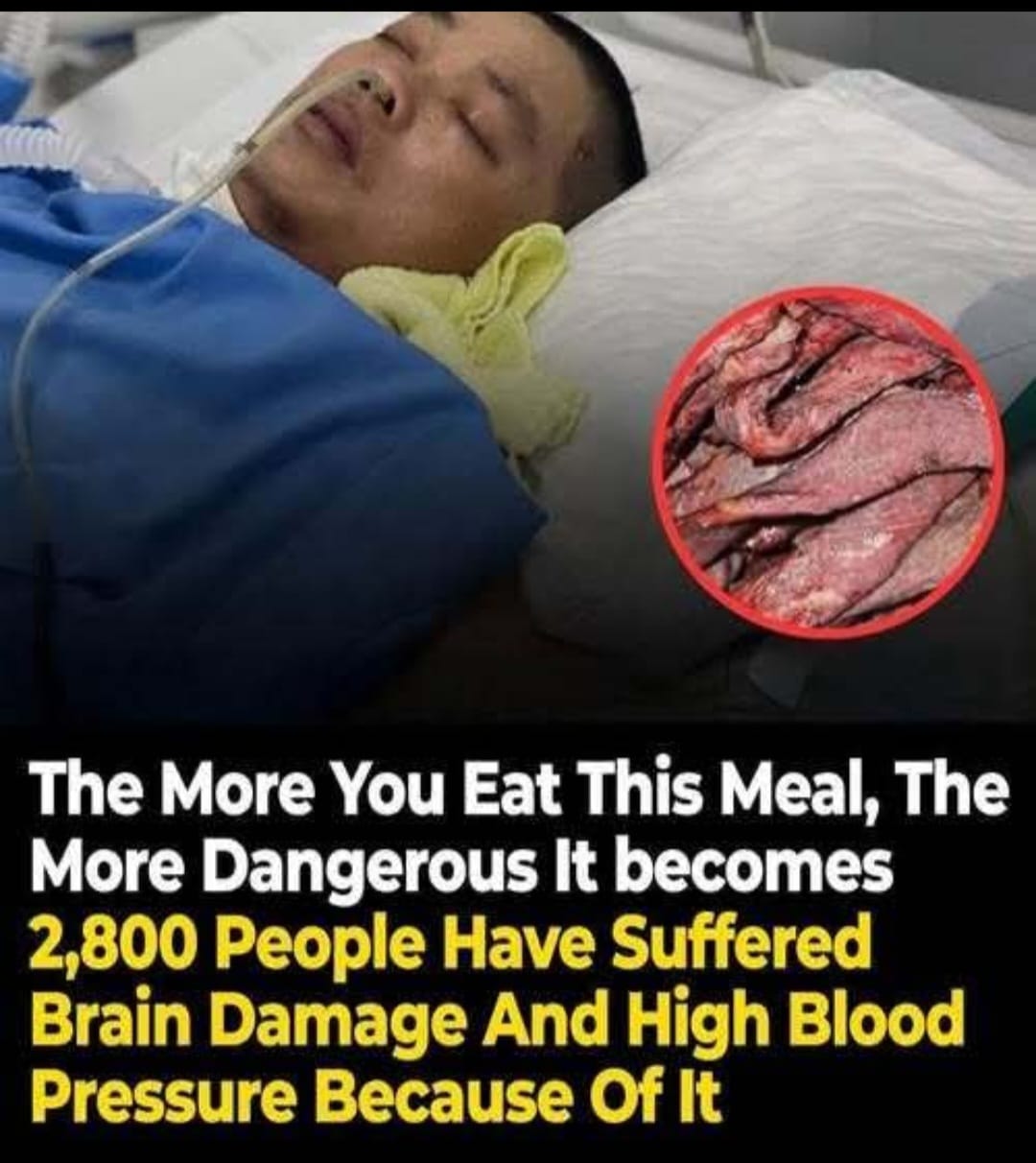
Why Eating More of This Meat Could Be Putting You in Danger
Processed meat has become a common part of modern diets because it is easy to prepare, tastes good, and lasts a long time. Foods like bacon, sausages, deli slices, and hot dogs suit busy lives, but the way they are produced affects how the body handles them over time. While eating them occasionally is unlikely to cause harm, regular consumption is linked to higher risks of several chronic diseases.
In health research, processed meat has a clear meaning. It includes meat preserved through smoking, curing, salting, or chemical additives. These processes raise sodium content and introduce preservatives such as nitrates and nitrites. Although portions may seem small, frequent intake over many years is what increases concern.
The clearest evidence connects processed meat to cancer risk. After extensive review, the World Health Organization classified it as carcinogenic due to strong links with colorectal cancer. This does not mean the risk is extreme, but that findings are consistent across many large studies.
Curing chemicals play a key role. Nitrates and nitrites can form harmful compounds during digestion, especially when combined with high-heat cooking and low-fiber diets. These compounds may damage cells and raise cancer risk.
Processed meat also contains large amounts of sodium, which contributes to high blood pressure. Over time, this increases strain on blood vessels and raises the risk of heart disease and stroke.
Long-term studies also associate higher intake with type 2 diabetes and poorer cardiovascular health. Emerging evidence suggests possible links to cognitive decline through inflammation and vascular damage.
Risk reduction does not require complete avoidance. Treating processed meat as an occasional choice and replacing it with plant proteins, fish, eggs, or unprocessed meats can significantly improve long-term health outcomes.