Bill Clinton Refuses To Honor Congression
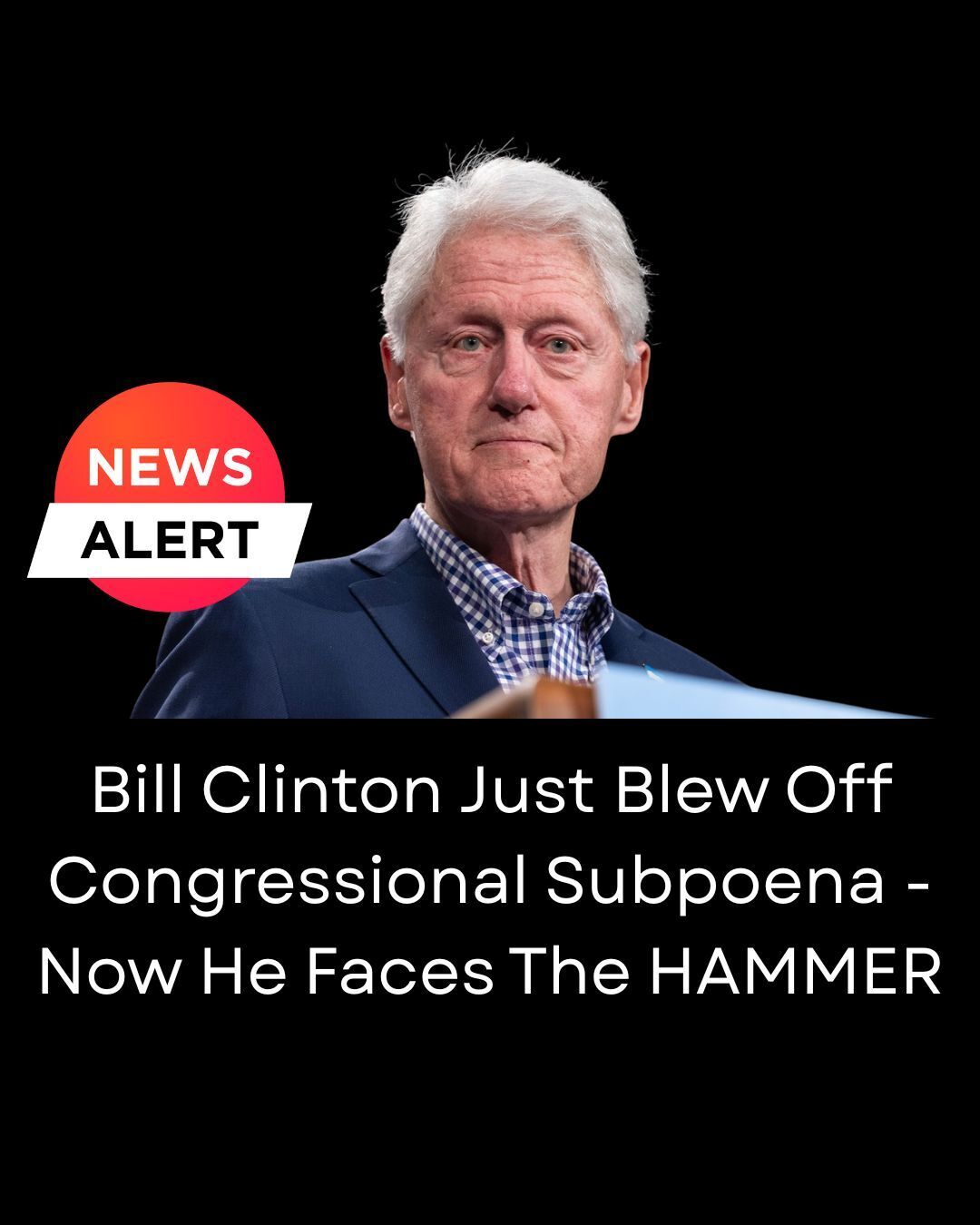
Bill and Hillary Clinton are facing sharp backlash after repeatedly declining to comply with congressional subpoenas. Despite warnings and rescheduled dates, they have not appeared, prompting lawmakers to escalate the response.
House Oversight Chairman James Comer is now preparing to pursue contempt of Congress, signaling that the issue has moved beyond symbolic pressure into serious legal territory.
While the investigation centers on Jeffrey Epstein, the conflict goes further than that. The Clintons’ refusal to testify under oath is being viewed as a deliberate political decision rather than a mere dispute over timing.
By casting themselves as targets of an overreaching government, they are reframing a request for testimony as a broader fight over democratic principles. Critics argue this narrative distracts from the basic question of accountability.
Supporters may find that framing persuasive, but opponents see it as avoidance. They question why testimony would be an issue if there is truly nothing to conceal.
Comer’s push to hold Bill Clinton in contempt challenges a long-standing perception that powerful political figures operate under different rules. The subpoenas were approved by a bipartisan committee, underscoring their legitimacy.
Whether Hillary Clinton also refuses to comply could determine how far this confrontation goes. Ultimately, the standoff may define whether congressional subpoenas still carry authority—or only apply to those without power.